
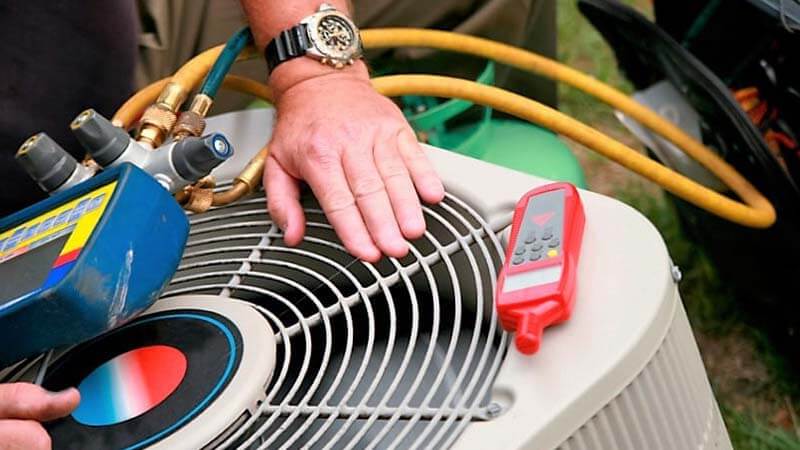
In the quest for year-round comfort, ensuring the efficiency and reliability of your HVAC (Heating, Ventilation, and Air Conditioning) system is paramount. From routine inspections to installing energy-efficient heat pumps, here’s a comprehensive guide to optimizing your climate control. Let’s get straight into it and explore:
HVAC Inspection:
- Regular HVAC inspection are crucial for identifying potential issues and maintaining optimal performance.
- During an inspection, certified technicians examine various components, including ductwork, filters, electrical connections, and thermostat settings.
- Inspections help detect problems early, preventing costly repairs and ensuring efficient operation.
Benefits of HVAC Inspection:
- Improved Energy Efficiency: Identifying and addressing inefficiencies can significantly reduce energy consumption, lowering utility bills.
- Enhanced Indoor Air Quality: Regular inspections ensure that air filters are clean and functioning correctly, promoting healthier indoor air.
- Extended Lifespan: Early detection of issues and timely maintenance can prolong the lifespan of your HVAC system, maximizing your investment.
Heat Pump Installation:
- Heat pumps are versatile HVAC systems that provide both heating and cooling capabilities, making them an efficient year-round solution.
- Professional installation is essential to ensure proper sizing, placement, and integration with your existing HVAC infrastructure.
- Heat pumps offer energy-efficient heating and cooling, reducing your carbon footprint while keeping your home comfortable.
Types of Heat Pumps:
- Air-Source Heat Pumps: These extract heat from the outdoor air and transfer it indoors during the winter months. In the summer, the process is reversed to provide cooling.
- Ground-Source (Geothermal) Heat Pumps: These utilize the stable temperature of the ground for heating and cooling, offering even greater energy efficiency.
Benefits of Heat Pump Installation:
- Energy Efficiency: Heat pumps are highly efficient, especially compared to traditional heating and cooling systems, leading to lower energy bills.
- Year-Round Comfort: With both heating and cooling capabilities, heat pumps ensure comfort throughout the changing seasons.
- Environmental Sustainability: Heat pumps produce fewer greenhouse gas emissions than fossil fuel-based heating systems, contributing to a cleaner environment.
Considerations for Heat Pump Installation:
- Home Size and Layout: Proper sizing and placement of the heat pump are essential for optimal performance and efficiency.
- Climate: Climate considerations, such as average temperatures and humidity levels, can influence the type and size of heat pump needed.
- Energy Efficiency Ratings: Look for heat pumps with high SEER (Seasonal Energy Efficiency Ratio) and HSPF (Heating Seasonal Performance Factor) ratings to maximize energy savings.
Professional Installation Benefits:
- Expertise: Certified technicians have the knowledge and experience to ensure proper installation and optimal performance.
- Warranty Protection: Professional installation often includes warranties that provide coverage for parts and labor, offering peace of mind.
- Compliance: Professional installation ensures compliance with building codes and regulations, avoiding potential issues down the line.
Conclusion:
In conclusion, optimizing your climate control begins with expert HVAC inspection and heat pump installation. Regular inspections help maintain efficiency and identify potential issues, while heat pumps offer energy-efficient heating and cooling for year-round comfort. By investing in professional services and energy-efficient solutions, you can enjoy a comfortable home environment while reducing energy costs and environmental impact.

