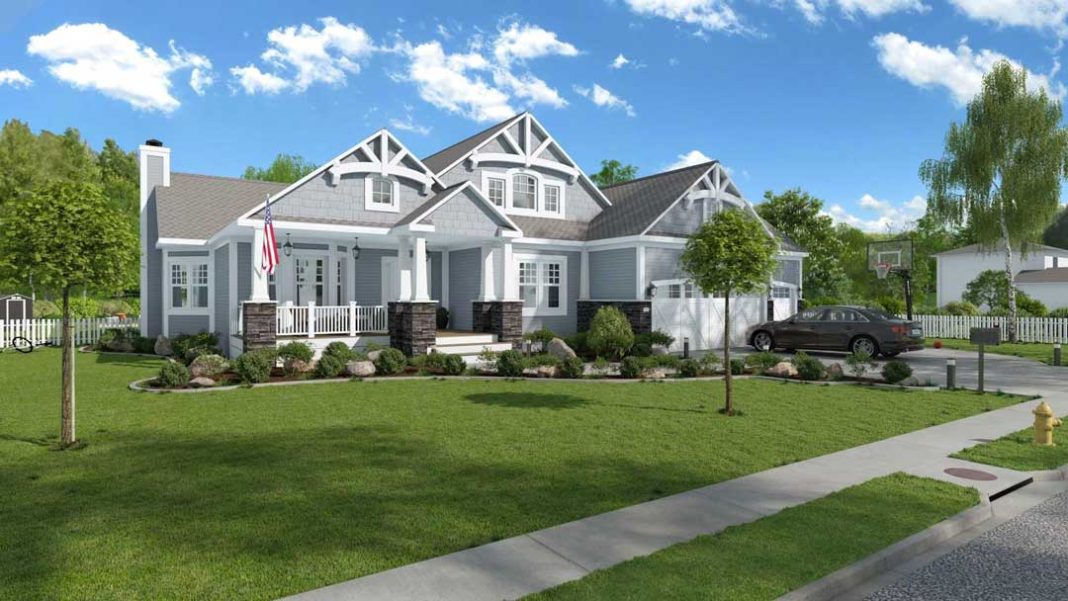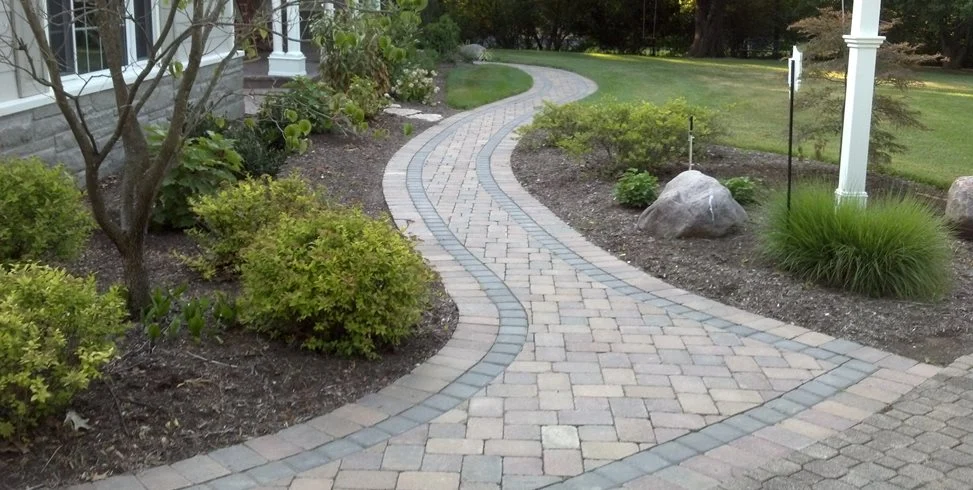
Outdoor spaces feel more inviting when movement through them feels natural, not forced. Pathways play a huge role in shaping that experience, and landscaping services near me often design them to blend structure with ease of use. Whether installed for gardens, lawns, or full outdoor living areas, walkways help connect spaces while supporting the rhythm of everyday life.
Designing Paths That Link Outdoor Spaces with Natural Movement
Pathways work best when they follow the way people naturally walk through a yard. Landscaping companies near me often study foot-traffic patterns—how guests enter, where they cut across lawn areas, and which spaces see the most activity. This helps them align walkways with movement that already feels comfortable. Once the path’s purpose is clear, the landscape company shapes each section to reduce backtracking and unnecessary turns. This kind of thoughtful placement encourages smoother transitions from patios to gardens, seating areas, and side yards. Function and comfort grow side by side when a walkway feels like the easiest direction to walk.
Choosing Materials That Support Both Style and Everyday Use
Material selection determines how well the walkway holds up and how it complements the rest of the property. Brick, flagstone, concrete pavers, and gravel each offer different textures, maintenance levels, and design personalities. Landscaping near me providers match these materials with expected usage, climate conditions, and overall aesthetic. Patterns and finishes also matter. A textured paver, for example, provides better traction in wet conditions, while stone slabs offer a natural look for garden-heavy yards. Integrating strength with beauty ensures the path works for everyday foot traffic without sacrificing style.
Placing Walkways to Guide Guests Through Garden Focal Points
Well-positioned walkways influence where visitors look as they move through a yard. Landscaping companies near me often angle or curve pathways toward focal points such as water features, specimen trees, sculpture areas, or outdoor seating. This turns simple movement into a guided visual experience. These paths can also frame garden views. Bends in the walkway might reveal a new cluster of flowers or a carefully placed planter. Landscape designers use walkway placement to encourage guests to slow down and appreciate layers of landscaping that otherwise might be missed.
Blending Curves and Angles for Smooth Backyard Navigation
Straight lines offer efficiency, but curves bring softness and visual flow. A balanced combination of both helps yard navigation feel purposeful yet relaxed. Landscaping services near me shape curves to mirror natural features—tree lines, flower beds, or elevation changes—so the walkway feels integrated instead of imposed.
Angular paths have their place too, especially around modern homes or structured garden layouts. By blending the two, a lawn care companies near me team can highlight architectural style while still supporting fluid movement between outdoor spaces. This balance avoids monotony and sharpens the overall design.
Integrating Lighting to Highlight Paths and Improve Safety
Pathway lighting improves nighttime visibility and adds ambiance. Low-voltage lights, recessed pavers, and uplighting all contribute to a safer, more welcoming route through the yard. Landscaping companies near me often design lighting to guide the eye while preventing shadows that could make the walkway harder to navigate.
Different lighting intensities create different moods. Soft glows work well for quiet garden paths, while brighter fixtures near steps or transitions reduce tripping risks. Lighting also helps show off plantings, textures, and borders that define the walkway’s character.
Balancing Plantings with Walkways for Visual and Functional Flow
Plants help soften walkway edges and blend the structure into the surrounding landscape. Designers place shrubs, groundcovers, or ornamental grasses along the sides to create a layered, inviting edge. Landscaping services near me ensure the plantings won’t crowd the walkway as they mature.
Spacing is also key for usability. Overgrown plants can block movement or create slippery conditions when wet. By choosing species with predictable growth habits, the landscape company keeps the walkway accessible while adding texture and seasonal color.
Matching Pathway Width to Expected Foot Traffic Levels
Width affects how comfortable a walkway feels. Narrow paths work well for intimate gardens, but high-traffic areas need wider routes to prevent crowding. Landscaping companies near me evaluate whether the walkway will serve one person at a time, side-by-side walking, or groups passing through simultaneously.
Durability increases with correct sizing. Wider walkways distribute wear more evenly and reduce edge erosion. Correct width ensures functionality remains consistent, even as usage increases over the years.
Using Edging to Keep Walkways Defined and Low-maintenance
Edging helps walkways stay tidy and reduces maintenance. Stone borders, metal edging, and raised pavers keep gravel or mulch from spilling into the path and stop grass from creeping inward. Landscaping near me providers use edging to maintain clean lines without constant trimming.
Beyond cleanliness, edging influences visual direction. Subtle borders guide the eye forward, while bold edges emphasize the pathway as a design feature. Edging also protects the structural integrity of the walkway by keeping materials from shifting.
Aligning Steps and Borders to Prevent Tripping and Erosion
Any elevation change requires careful step placement. Landscaping services near me design steps with consistent height and depth to reduce the chance of missteps. They also angle treads to prevent water pooling, which can cause slippery surfaces over time.
Borders reinforce these transitions. Properly aligned edges help channel water away from steps and keep soil from eroding downhill. This structural support ensures the walkway remains stable and safe throughout changing weather conditions.
Pathways gain their usefulness through thoughtful design, and professional landscapers bring the skill needed to combine function with natural flow. Cora Landscape offers professional landscape design, drainage solutions, and full outdoor installation services that enhance both function and curb appeal.