Winter is coming, and your home needs to be ready. Cold temperatures can wreak havoc on unprepared houses, leading to expensive repairs and uncomfortable living conditions. The good news? A little preparation now can save you thousands of dollars and major headaches later.
Many homeowners wait until something breaks before taking action. Don’t be one of them. Whether you handle tasks yourself or hire a trusted Grantsville plumber for the technical work, getting your home winter-ready should be a top priority before the first freeze hits.
Here are the ten essential maintenance tasks every homeowner should complete before winter arrives.
1. Inspect and Clean Your Gutters
Clogged gutters cause water to overflow and freeze, creating ice dams that damage your roof and siding. Remove all leaves, twigs, and debris from gutters and downspouts. Make sure water flows freely away from your foundation. This simple task prevents thousands in potential water damage.
2. Check Your Heating System
Replace furnace filters and schedule a professional inspection if you haven’t had one recently. A well-maintained heating system runs more efficiently, keeps your energy bills lower, and won’t fail on the coldest night of the year. Home heating maintenance tips from energy experts can help you understand what to look for.
3. Insulate Exposed Pipes
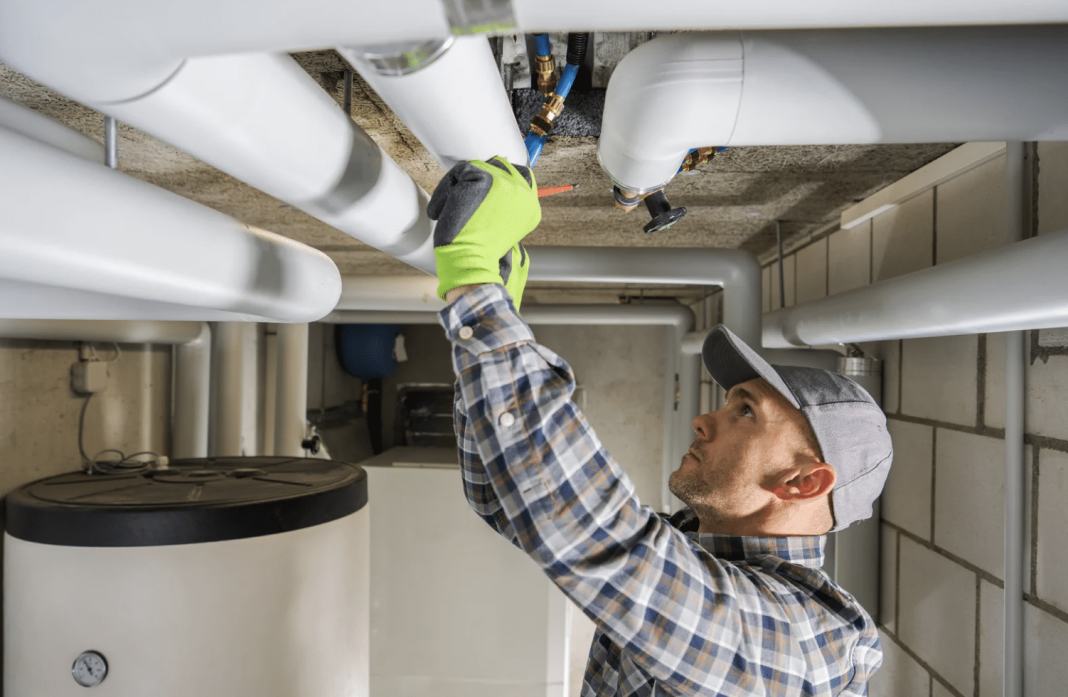
Frozen pipes are one of winter’s costliest disasters. Wrap exposed pipes in unheated areas like basements, crawl spaces, and garages with foam insulation sleeves. Pay special attention to pipes near exterior walls. This inexpensive prevention step can save you from burst pipe nightmares.
4. Drain Outdoor Faucets and Sprinkler Systems
Turn off water supply to outdoor faucets from inside your home. Open the outdoor taps to drain remaining water. If you have an irrigation system, blow out the lines or hire a professional to winterize it properly. Water left in outdoor lines will freeze and crack pipes.
5. Seal Windows and Doors
Check for drafts around windows and doors. Apply weatherstripping or caulk where needed. This keeps cold air out and warm air in, reducing your heating costs significantly. Even small gaps can waste substantial energy throughout the winter months.
6. Test Your Sump Pump
Pour water into your sump pump pit to ensure it activates and drains properly. Winter thaws and ice melts can cause basement flooding if your pump fails. Replace the battery in battery-powered backup systems. A working sump pump protects your basement from water damage.
7. Trim Trees and Shrubs
Remove dead branches that could fall on your house, car, or power lines during winter storms. Ice and snow add weight to branches, making weak ones more likely to break. Keep trees trimmed at least six feet away from your roof and power lines.
8. Check Your Water Heater
Flush sediment from your water heater tank to improve efficiency and extend its life. Check the temperature setting—120 degrees Fahrenheit is ideal for most homes. Inspect for leaks or rust around the base. Winter is when you need reliable hot water most, so don’t neglect this crucial appliance.
9. Clean Your Chimney
If you have a fireplace or wood stove, have the chimney professionally cleaned and inspected. Creosote buildup causes dangerous chimney fires. A clean chimney also improves draft and heating efficiency.Proper fireplace safety guidelines help prevent household fires during winter.
10. Stock Emergency Supplies
Prepare for power outages by stocking flashlights, batteries, bottled water, non-perishable food, blankets, and a battery-powered radio. Keep salt or sand for icy walkways. Have a backup heat source if possible. Winter storms can leave you without power for days, so preparation is essential.
These ten tasks might seem overwhelming, but you can tackle them over a few weekends. Start with the most critical items—those involving water and heating systems—then work through the rest of your list.
Don’t wait until the first snowfall to discover problems. By then, it’s too late for prevention and you’re stuck paying for emergency repairs. Professional help costs more during winter emergencies than it does for routine fall maintenance.
Create a checklist and mark off tasks as you complete them. Some jobs you can handle yourself with basic tools and a free Saturday afternoon. Others require professional expertise and specialized equipment. Know your limits and don’t hesitate to call for help with technical tasks.
Your home is probably your biggest investment. Protecting it from winter damage isn’t just about avoiding expensive repairs—it’s about keeping your family safe, warm, and comfortable throughout the cold months ahead.
Take action now. Your future self will thank you when you’re cozy inside while winter rages outside, confident that your home is prepared for whatever the season brings.