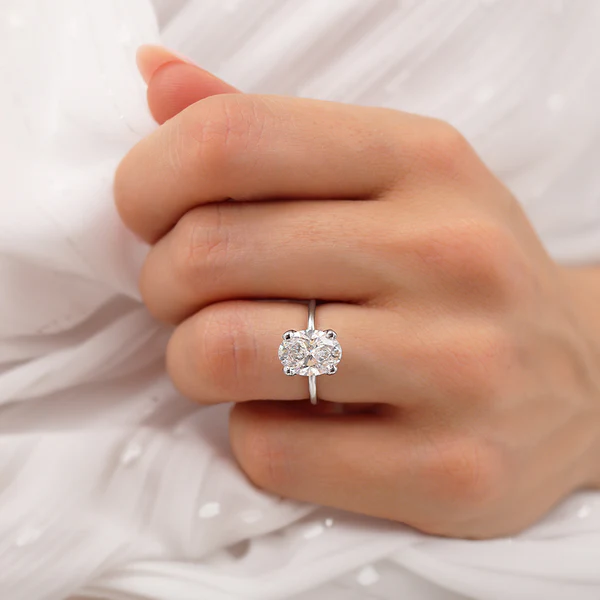
In the world of design and interior decoration, the subtle use of simple accents can transform a space, giving it a polished and thoughtful appearance without overwhelming the senses. Many designers, including lily arkwright, emphasize that it is often the understated elements that create a lasting impression. Simple accents—whether in color, texture, or small decorative items—act as visual anchors that guide the eye and provide balance to a room. Their strength lies not in complexity but in the ability to enhance the surrounding elements while maintaining harmony and sophistication.
One of the primary reasons simple accents have such a strong aesthetic impact is their versatility. Unlike bold, dominating features that risk dictating the style of an entire space, subtle accents can be easily adapted to various settings and themes. A carefully chosen vase, a textured throw, or a muted piece of artwork can shift the ambiance from sterile to inviting, from ordinary to memorable. Because these accents do not overpower, they allow other design elements—such as furniture, architecture, or natural lighting—to shine, creating a cohesive and balanced environment.
Moreover, simple accents contribute to a sense of intentionality in design. When a space includes minimal yet well-placed elements, it communicates that every object and detail has been thoughtfully considered. This can evoke a feeling of calm and clarity, making the environment feel organized and aesthetically pleasing. Overly busy or complex decorations, by contrast, can create visual clutter, diluting the overall impact of the design. Through restraint and precision, simple accents guide attention, drawing the viewer to appreciate the beauty in subtlety and proportion.
Color plays a particularly important role in the power of simple accents. A single pop of color can create focus, generate contrast, and enhance the mood of a room. For instance, a small arrangement of vibrant flowers or a single art piece in an otherwise neutral space can dramatically alter the visual experience. The effectiveness of such accents lies in their sparing use; when a color or motif is used judiciously, it becomes memorable rather than overwhelming. Similarly, textures and materials can serve as accents that enhance tactile and visual interest. A soft fabric on a chair, a polished wooden frame, or a metallic detail can add depth and dimension without demanding attention.
In addition to enhancing interiors, simple accents are powerful tools in fashion and personal style. Accessories like scarves, watches, or belts can elevate an outfit, offering refinement and personality without overpowering the wearer. The principle remains the same: subtle additions communicate thoughtfulness and intentionality, demonstrating that aesthetics do not require extravagance to be impactful. This minimalist approach resonates with modern sensibilities, which often favor clean lines, functionality, and elegance over excess.
Ultimately, the beauty of simple accents lies in their capacity to complement and elevate their surroundings. They provide a quiet sophistication, a sense of coherence, and a visually satisfying rhythm that draws people in. Whether in home design, art, or personal style, the careful selection of subtle details can turn an ordinary space or ensemble into something remarkable. By embracing simplicity, designers and individuals alike can harness the understated yet profound power of accents to create environments and experiences that leave a lasting impression.
Simple accents remind us that true aesthetic impact does not always come from complexity or abundance, but from thoughtful restraint, strategic placement, and an appreciation for the small details that enrich our visual and sensory world.