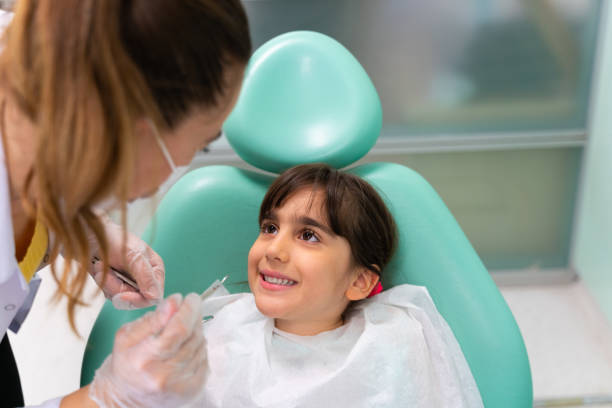
If your child’s dentist has mentioned fluoride treatment, you might be wondering whether it’s really necessary or just an optional add-on. The short answer is that it’s one of the most effective and well-researched preventive tools in pediatric dentistry, and it only takes a few minutes to apply. Getting a professional Fluoride Treatment during a routine dental visit is a simple step that can make a significant difference in protecting your child’s teeth from cavities over the long term.
Fluoride is a naturally occurring mineral that strengthens tooth enamel, which is the hard outer shell that protects teeth from decay. When enamel is exposed to fluoride regularly, it becomes more resistant to the acid that bacteria produce after your child eats or drinks. That means even if a bit of sugar sneaks through — and with kids, it always does — the teeth are better equipped to handle it without developing cavities. Professional fluoride treatments use a much higher concentration than what’s found in toothpaste or fluoridated water, which is why they offer an extra layer of protection that brushing alone simply can’t provide.
The application process is quick, painless, and usually takes just a few minutes at the end of a cleaning appointment. The dentist or hygienist applies fluoride in the form of a varnish, gel, or foam directly to the tooth surfaces. It’s tasteless and easy to tolerate even for young children, and the results are long-lasting. Most dentists recommend professional fluoride treatments every six months for children, though kids who are at higher risk for cavities may benefit from more frequent applications. The CDC’s community water fluoridation information provides helpful background on how fluoride works at both the community and individual levels to prevent tooth decay across all age groups.
Parents sometimes have questions about fluoride safety, and those questions are completely understandable. The reassuring news is that fluoride has been studied extensively for decades and is consistently recognized as safe and effective by major health organizations worldwide. The key is using the right amount for your child’s age and weight, which is exactly what your dental team accounts for during a professional application. There’s a meaningful difference between the trace amounts in toothpaste and drinking water and the controlled doses used in a clinical setting, and your pediatric dentist is trained to apply it safely every time.
Beyond professional treatments, your child’s diet also plays a role in how well fluoride works. Limiting sugary snacks and drinks reduces the amount of acid that enamel has to contend with, which means fluoride protection goes even further. Drinking fluoridated tap water throughout the day also contributes to healthy enamel development, particularly during the years when adult teeth are still forming beneath the gums. Combining these habits with regular dental visits creates a strong foundation for a cavity-free childhood.
For children who are prone to cavities or who have enamel that developed with some weaker spots, fluoride treatment is especially valuable because it actively works to remineralize early areas of decay before they become full cavities. Catching and treating those spots with fluoride is far easier than filling a cavity later, both for the child and for the parent. The National Institute of Dental and Craniofacial Research’s tooth decay resources explain this remineralization process in more detail and highlight why fluoride remains one of the most recommended tools in preventive dental care. Talk to your child’s pediatric dentist about whether a fluoride treatment is right for them at the next visit—it’s a small step with a genuinely big payoff.