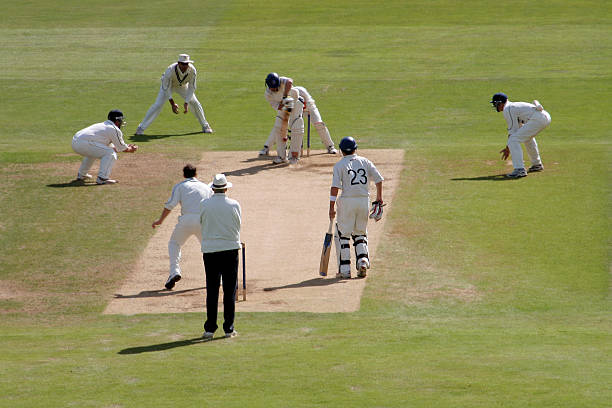
India vs New Zealand at 7:00 pm on Saturday, 31 January isn’t just another fixture squeezed into a busy international calendar. It feels like one of those nights where momentum, pressure, and small decisions can flip the script completely. Whenever these two sides meet, especially in a high-profile evening game, there’s always a sense that something dramatic is waiting to happen – a clutch spell, a crazy chase, or one partnership that refuses to break.
Fans searching for match insights, fantasy angles, or community-driven discussion often end up exploring platforms connected with cricbet99, especially around blockbuster games like India vs New Zealand. The buzz isn’t only about who wins; it’s about reading the game right, understanding conditions, and spotting those subtle clues that casual viewers sometimes miss.
This article takes a deep dive into the India vs New Zealand clash, using recent form, pitch behavior, tactical trends, and player match-ups as reference points. Think of it as the kind of long-form preview you’d read before settling in for a full evening of cricket.
Match Overview: Why This India vs New Zealand Game Feels Different
India vs New Zealand fixtures almost always carry extra weight. Over the last decade, New Zealand have developed a reputation as a side that punches above its weight against stronger opponents, especially India, by playing smart cricket rather than flashy cricket. India, on the other hand, bring depth, star power, and a home-crowd mentality wherever they play.
A 7:00 pm start adds its own flavor. Night matches tend to be shaped by dew, toss decisions, and how well teams adapt once the lights fully take effect. For fans tracking previews and analysis through communities linked with cricbet99, this timing immediately raises questions:
Will chasing be easier?
Will spinners struggle later?
Does the toss become more important than form?
These are exactly the kind of questions that make this contest fascinating.
Venue, Conditions, and the Night-Game Factor
Although the exact venue defines micro-details, India vs New Zealand night matches generally follow a familiar script. The surface usually starts slightly on the slower side, offering something for disciplined bowlers early, before flattening out as the game progresses.
Under lights, seamers often enjoy a brief window of swing with the new ball. Captains who attack early – maybe even risk a slip or short cover – sometimes get rewarded. Once that phase passes, batting becomes smoother, and timing improves dramatically.
Dew is the wildcard. By around 9:00 pm, the ball can get slippery, making life harder for spinners and death bowlers. This is where planning matters. Teams that save their best spinners for the right batters rather than fixed overs often gain an edge.
It’s no surprise that many fans cross-check pitch expectations and tactical talk on pages related to https cricbet99 com login, especially before the toss, when last-minute decisions can change the entire outlook of the match.
India: Strength in Depth and Controlled Aggression
India’s biggest advantage going into this match is balance. There are match-winners at the top, stabilizers in the middle, and enough bowling options to adapt if one plan doesn’t work.
Batting Perspective
India’s top order usually sets the tone. If the openers negotiate the first few overs without losing wickets, the middle order can play with freedom. Against New Zealand, patience often matters more than raw aggression. Their bowlers thrive when batters get impatient.
The middle overs – overs 7 to 15 – are where India typically try to build dominance. Rotating strike, forcing field changes, and targeting the fifth bowler instead of the main strike options has worked well in the past.
In night games, India’s finishing ability becomes crucial. Clearing the rope in the final overs isn’t always about brute force; it’s about reading the slower balls and angles. When India do this well, totals of 180+ suddenly feel very gettable.
Bowling Perspective
India’s bowling attack is designed to apply pressure in phases. The new-ball pair focuses on control rather than outright pace, while the middle overs often rely on variations – cutters, sliders, and subtle changes in pace.
Against New Zealand, India’s bowlers usually target the stumps more than the body. Kiwi batters are strong square of the wicket, so straight lines and full lengths can be surprisingly effective.
This tactical depth is one reason India often start as favorites in previews discussed across cricbet99 communities.
New Zealand: Calm, Calculated, and Always Dangerous
New Zealand rarely look intimidating on paper, but that’s exactly why they’re so dangerous. They focus on clarity of roles. Everyone knows what they’re supposed to do, and that reduces panic under pressure.
Batting Perspective
New Zealand’s top order often prefers to assess conditions before launching. They’re comfortable playing out a few quiet overs if it means setting up a strong finish. Against India, partnerships matter more than individual brilliance.
The middle order is built around adaptability. If wickets fall early, they consolidate. If the platform is set, they attack spinners and part-time bowlers ruthlessly.
In night games, New Zealand are especially good at exploiting gaps rather than just swinging hard. That’s how they stay competitive even if the run rate briefly stalls.
Bowling Perspective
Bowling is where New Zealand truly shine. Their seamers use angles brilliantly, especially under lights. Swing, seam, and clever slower balls often force batters into mistimed shots.
Spinners are used more as control options rather than wicket-takers. Their job is to choke runs and let pressure build naturally.
Many fans looking for detailed bowling match-up discussions head to sections connected with https cricbet99 biz m login, particularly when New Zealand play technically strong sides like India.
Head-to-Head Trends: What History Suggests
India vs New Zealand head-to-head numbers often look closer than expected. Even when India dominate overall phases, New Zealand find ways to stay in the contest.
One clear pattern stands out:
-
When India bat first and cross the 180 mark, they usually control the game.
-
When New Zealand chase under lights, especially with dew, they become extremely hard to stop.
Recent encounters have also shown that the first six overs with the ball can decide the match. Teams that pick up two early wickets tend to dictate the tempo for the next 10 overs.
This is why toss talk dominates pre-match discussions on platforms related to cricbet99. One coin flip can reshape expectations entirely.
Key Player Battles to Watch Closely
India’s Top Order vs New Zealand’s New-Ball Attack
This is the opening chess match. If India’s top three handle swing and seam calmly, New Zealand may be forced into defensive fields too early.
Middle Overs: Spin vs Rotation
New Zealand’s ability to rotate strike against spin will test India’s patience. Dot balls here often lead to rash shots later.
Death Overs: Execution Under Pressure
Whether it’s India setting a target or New Zealand chasing, the last four overs will be intense. Yorkers, slower balls, and smart field placements can swing momentum in minutes.
These micro-battles are often broken down in fan-led previews linked through https cricbet99 com login pages, where enthusiasts debate scenarios ball by ball.
Tactical Angles That Could Decide the Match
One underrated factor is captaincy. Field placements, bowling changes, and even subtle signals to batters can influence outcomes.
India may look to:
-
Attack early with slips under lights
-
Save key bowlers for specific batters
-
Keep wickets in hand till the 15th over while batting
New Zealand may aim to:
-
Bowl fuller lengths early
-
Use cross-seam deliveries to disrupt timing
-
Target India’s fifth bowling option aggressively
These aren’t flashy strategies, but they’re effective – especially in evenly matched contests.
Fan Perspective and Community Buzz
Big India vs New Zealand games always light up social media. Memes, debates, and overreactions after every over are part of the experience. Fans don’t just watch the match; they analyze it, predict it, and sometimes overthink it.
That’s where long-form previews and discussions around cricbet99 gain traction. They don’t just focus on the final result but on how the game might flow across 40 or 50 overs.
Many users also explore navigation points like https cricbet99 biz m login to stay connected with ongoing discussions, predictions, and post-match breakdowns during high-voltage fixtures.
Prediction Thoughts (Without Overconfidence)
If conditions favor chasing, the team winning the toss holds a slight edge. India’s depth makes them favorites in a high-scoring game, while New Zealand’s discipline gives them a strong chance in tighter, low-margin contests.
Ultimately, this match feels like one where momentum will swing at least twice. A quick 30-ball cameo, a double-wicket over, or even a missed catch could become the defining moment.
That uncertainty is exactly why India vs New Zealand under lights remains such a compelling watch – and why fans continue searching, reading, and debating through platforms tied to https cricbet99 com login before the first ball is even bowled.
Final Word
India vs New Zealand at 7:00 pm on Saturday, 31 January isn’t just about rankings or records. It’s about execution under pressure, adapting to night conditions, and staying calm when the game tightens.
Whether you’re watching purely as a cricket lover or following deeper analysis through cricbet99-linked communities, this match promises tension, quality cricket, and at least a few moments that will be talked about long after the final ball.