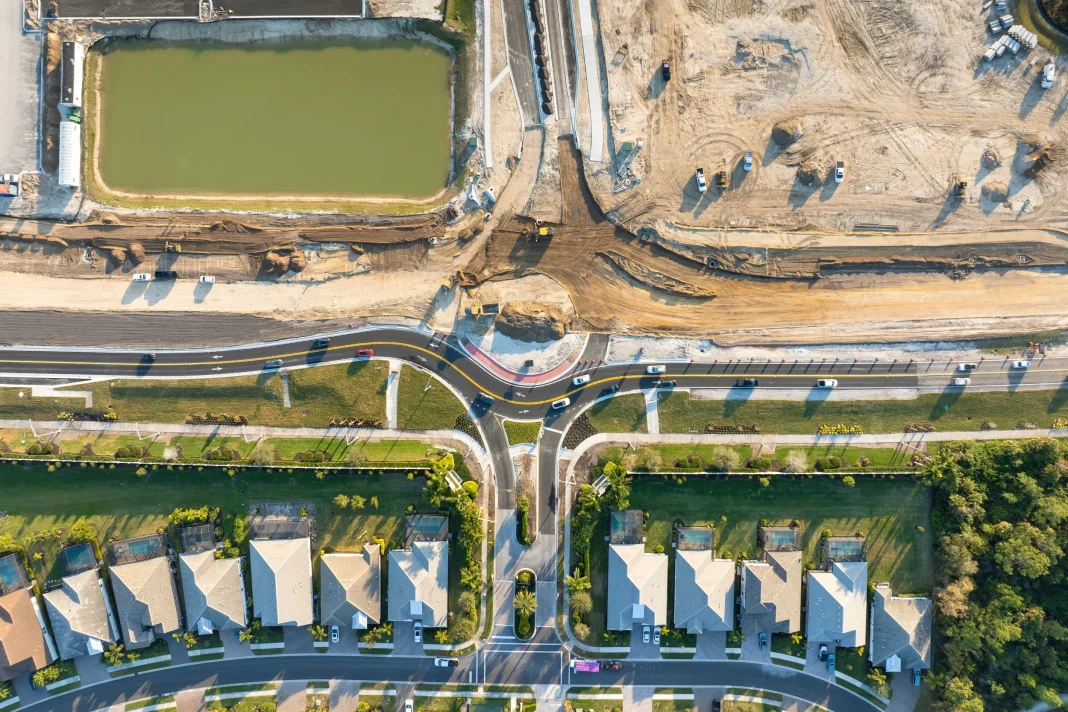
Land can look perfectly usable at first glance while still hiding expensive problems underneath the surface. Drainage patterns, soil conditions, elevation changes, and utility access all influence whether a property can realistically support future development. Proper site analysis often helps property owners avoid costly surprises long before construction begins.
What Can Sloped Property Reveal Before Construction Starts?
Uneven terrain affects far more than how a site looks visually. Slopes influence drainage movement, erosion risk, foundation stability, and long-term grading requirements across the property. Small elevation changes can also impact road access, retaining wall needs, and stormwater control planning.
Experienced teams like Ivaldi civil engineering consultants often study topography early because grading mistakes can become expensive once construction begins. Careful elevation analysis helps identify areas that may require additional stabilization or drainage improvements before development moves forward. Proper planning can save both time and construction costs later.
Soil Conditions Often Decide More Than People Expect
Ground beneath a property plays a major role in determining whether future structures remain stable over time. Weak, shifting, or moisture-sensitive soil can create long-term problems for foundations, pavement, and drainage systems if left unaddressed during early planning stages.
Many clients working with an Ivaldi civil engineering firm request site analysis specifically to better understand soil behavior before investing heavily into development plans. Testing can reveal compaction issues, poor load-bearing capacity, or drainage concerns that may not appear visible at surface level. Early findings often shape smarter design decisions from the beginning.
Drainage Patterns Can Affect Entire Development Plans
Water movement changes dramatically after development begins. Parking lots, roofs, sidewalks, and grading modifications can redirect runoff into areas that previously stayed dry. Poor drainage planning may eventually contribute to flooding, erosion, standing water, or neighboring property concerns.
Ivaldi civil engineering companies evaluate both existing and future drainage conditions during site analysis because stormwater management affects long-term project success. Proper planning helps reduce water-related damage while supporting safer site performance during heavy rainfall seasons.
Hidden Utility Challenges Can Delay Projects Quickly
Access to water, sewer, electrical systems, and storm infrastructure strongly affects whether a property can support future development efficiently. Utility conflicts sometimes remain unnoticed until late in the planning process, which can create delays and unexpected redesign costs.
Property owners seeking help from an Ivaldi civil engineer near me want site analysis completed early so utility concerns can be identified before permits or construction schedules begin. Reviewing infrastructure availability ahead of time helps reduce costly surprises during later project phases.
Why Access Roads Matter More Than Simple Entry Points
Vehicle access affects safety, traffic flow, emergency response routes, and overall functionality for nearly every development type. Narrow entry points, limited visibility, steep grades, or poor road placement can create long-term operational issues once a project becomes active.
Ivaldi civil engineering services often include transportation and access evaluations during site analysis because traffic movement influences both usability and permitting requirements. Proper planning helps improve circulation while reducing future safety concerns tied to poorly designed access layouts.
Environmental Conditions May Influence Buildable Areas
Wetlands, flood zones, protected areas, and natural water features sometimes limit where construction can legally occur. Environmental restrictions may also affect grading plans, drainage systems, and overall site layout depending on local regulations and property conditions.
An Ivaldi civil engineering firm may review environmental factors early to help clients understand development limitations before committing to large investments. Identifying restricted areas in advance allows project teams to adjust layouts more efficiently while avoiding unnecessary redesign work later.
Site Analysis Often Helps Prevent Budget Surprises
Unexpected land conditions can quickly increase project costs once excavation or construction begins. Hidden rock formations, unstable soil, drainage corrections, or utility relocation needs sometimes emerge only after work has already started if no early analysis was completed beforehand.
Many developers rely on Ivaldi civil engineering consultants because accurate site evaluation helps create more realistic budgeting from the beginning. Better planning often improves scheduling, material estimates, and construction coordination throughout the life of the project.
Long-Term Property Performance Starts With Early Planning
A site may look functional during construction while still developing future problems tied to grading, drainage, or infrastructure design. Early engineering analysis helps projects perform better years after completion rather than only focusing on short-term construction goals.
Property owners searching for Ivaldi civil engineering services often want confidence that future development decisions are based on reliable site information instead of assumptions alone. Ivaldi Engineering helps clients evaluate land conditions, drainage patterns, utility access, and long-term development potential through detailed site analysis designed to support safer construction planning and more reliable project outcomes over time.