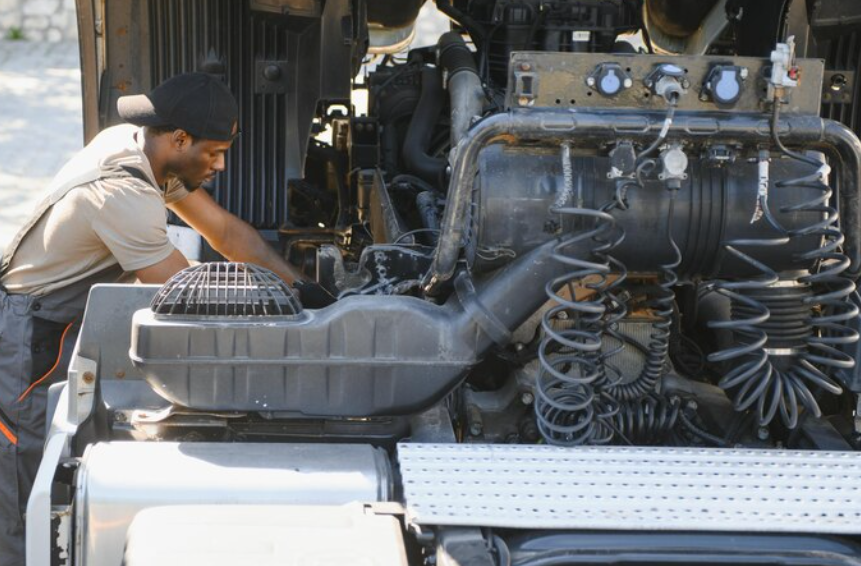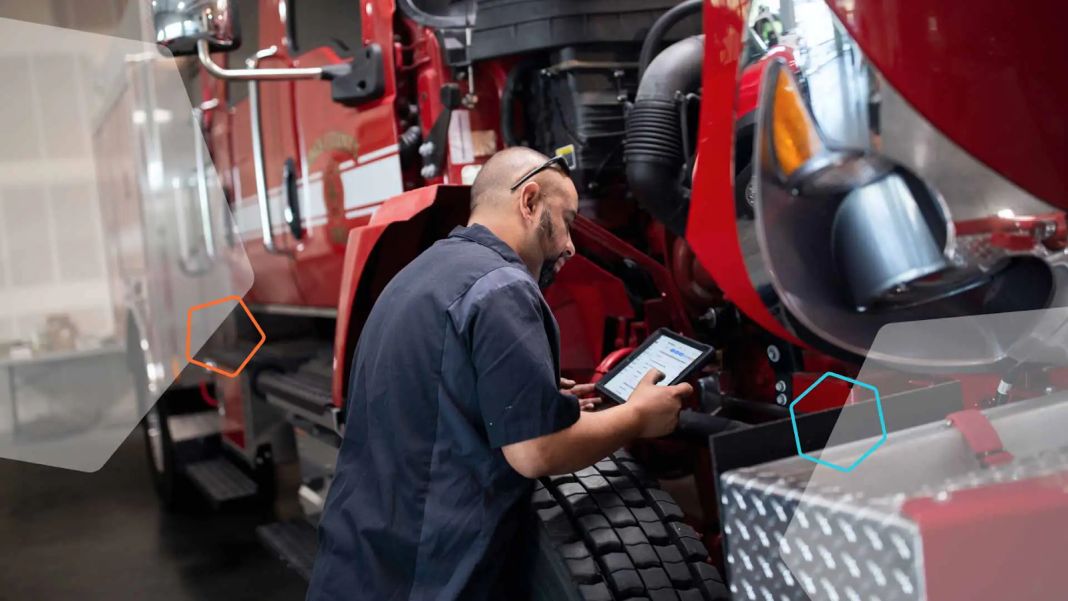
Large equipment such as construction machinery, mining vehicles, agricultural machines, and industrial trucks play a vital role in many industries. When these machines break down, the repairs are often complex and require specialized knowledge, tools, and processes. Heavy duty repair shops are designed to handle these demanding repair tasks efficiently while maintaining safety and quality. This article explains how these repair shops manage complex repairs for large equipment in a professional and reliable manner.
Understanding the Complexity of Large Equipment
Large equipment is built with powerful engines, advanced hydraulic systems, electronic controls, and heavy structural components. A single issue can affect multiple systems at once, making diagnosis and repair challenging. Repair technicians must understand how mechanical, electrical, and hydraulic systems work together. Because these machines often operate in harsh environments, damage can be severe and not always visible at first glance. This complexity requires a detailed and methodical repair approach.
Role of a Heavy Duty Repair Shop in Diagnosing Problems
A heavy duty repair shop begins every complex repair with a thorough inspection and diagnosis. Skilled technicians use advanced diagnostic tools to identify faults accurately. Computer-based diagnostics help detect electronic and sensor-related issues, while manual inspections uncover wear, cracks, or leaks. Technicians also review equipment history to understand recurring problems. This careful diagnosis ensures that repairs address the root cause instead of just the symptoms.
Skilled Technicians and Specialized Training
Handling complex repairs requires experienced and well-trained technicians. Heavy duty repair shops invest in continuous training to keep their teams updated with the latest technologies and repair techniques. Technicians often specialize in specific equipment types or systems, such as diesel engines or hydraulics. Their expertise allows them to perform precise repairs while following manufacturer guidelines. This level of skill reduces downtime and improves the reliability of repaired equipment.
Use of Advanced Tools and Technology
Complex repairs cannot be completed without specialized tools and equipment. Heavy duty repair shops use heavy lifting machinery, precision measuring tools, and advanced testing equipment. These tools help technicians safely disassemble large components and reassemble them with accuracy. Technology also plays a key role in ensuring repairs meet performance standards. Modern testing systems confirm that repaired equipment operates correctly before it is returned to service.
Quality Control and Safety Standards
Safety and quality are top priorities during complex repairs. Repair shops follow strict safety protocols to protect technicians and prevent further damage to equipment. Quality control checks are performed at every stage of the repair process. After repairs are completed, equipment undergoes testing under controlled conditions. This ensures that all systems function properly and meet industry standards. Consistent quality checks help prevent future breakdowns and extend equipment lifespan.
Managing Time and Minimizing Downtime
Downtime can be costly for businesses that rely on large equipment. Heavy duty repair shops focus on efficient repair planning to minimize delays. Clear communication with clients helps set realistic timelines and expectations. Repair teams coordinate tasks effectively to speed up the process without compromising quality. Efficient workflow management ensures that equipment is returned to operation as quickly as possible.
Conclusion
Complex repairs for large equipment require expertise, precision, and advanced resources. Heavy duty repair shops handle these challenges by using skilled technicians, accurate diagnostics, specialized tools, and strict quality standards. Their structured approach ensures reliable repairs that restore equipment performance and safety. By focusing on efficiency and professionalism, these repair shops play a crucial role in keeping industries running smoothly and reducing long-term equipment costs.