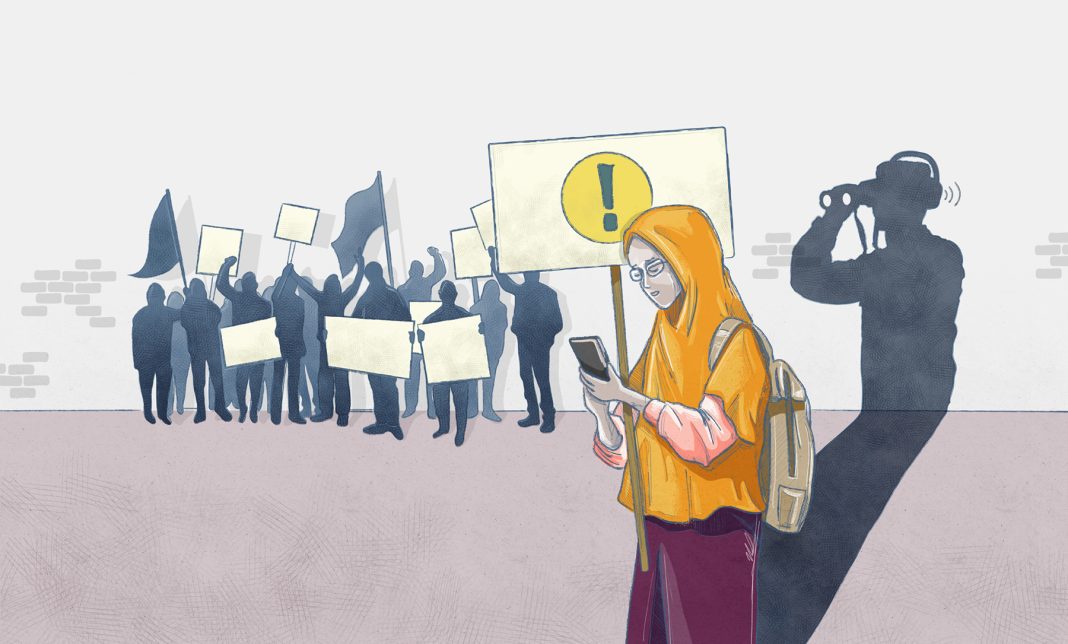
The internet gives children access to incredible opportunities for learning, creativity, and connection, but it also opens doors that parents and caregivers may not even know exist. Prioritizing online safety conversations early and keeping them ongoing is one of the most protective investments any family can make because the threats children face online evolve faster than most adults realize, and the window for prevention closes quickly once a predator has established contact.
Predators operating online are patient, methodical, and skilled at building emotional trust with young people over weeks or even months before any red flags become obvious. They often pose as peers, use flattery and validation to build dependency, and gradually shift conversations toward private platforms where no adult oversight exists. Children who haven’t been taught what these manipulation patterns look like are far more vulnerable than those who’ve had open, honest conversations about how grooming actually works and why it is never the child’s fault.
Children who know their parents are approachable are far more likely to speak up when something online makes them feel scared, confused, or pressured.
Nonprofits focused on prevention offer training materials, curriculum, and direct school programs designed to give kids the language and confidence they need to recognize uncomfortable situations and report them without shame. Research highlighted in the Internet Watch Foundation’s annual impact report shows that children who receive consistent digital safety education at both home and school are significantly more likely to report concerning online contact to a trusted adult rather than trying to manage the situation on their own.
Keeping devices in common areas of the home, setting clear expectations around privacy settings, and checking in regularly about who your child is talking to online are all practical steps any family can take right now without needing to become a technology expert. None of these steps replace honest conversation, but together they create an environment where children feel supported enough to speak up when something feels wrong rather than staying silent out of fear.
The goal is never to frighten children away from technology but to help them become digitally literate in a way that includes understanding risk, recognizing manipulation, and knowing exactly where to turn when the online world starts to feel unsafe or confusing. That kind of preparation is something nonprofits are uniquely equipped to help families build through structured, age-appropriate programming that meets kids where they actually are.
For families who want practical, research-informed guidance on digital safety conversations, the Digital Defenders Resource Hub provides a comprehensive guide to child safety online that focuses on protecting children from real online risks such as cyberbullying, exposure to inappropriate content, and contact from online predators. It offers clear, actionable strategies for parents and guardians, including how to recognize warning signs of exploitation, set family rules for internet use, and use parental controls and monitoring tools across devices. The guide also emphasizes the importance of ongoing communication with children, teaching them safe online behavior, and creating a supportive environment where they feel comfortable reporting anything unsafe they encounter online.